Laura Tominaj
Innovation is not a process but a state of mind.
Therefore, it can't be learned but felt. - Ivonne Kinser

Innovation is not a process but a state of mind.
Therefore, it can't be learned but felt. - Ivonne Kinser

Every child deserves an environment that meets their needs as they attempt to achieve the academic goals presented to them. A classroom that is respectful and supportive of others enables student learning.
Establishing student and teacher roles early in the year enables students to become self-disciplined and accountable for their learning. Taking the time to teach appropriate behaviors and expectations will result in a more cohesive learning environment as the year progresses. The key is to draw attention to this aspect of classroom management as a critical component of a successful classroom.
 Next
Next
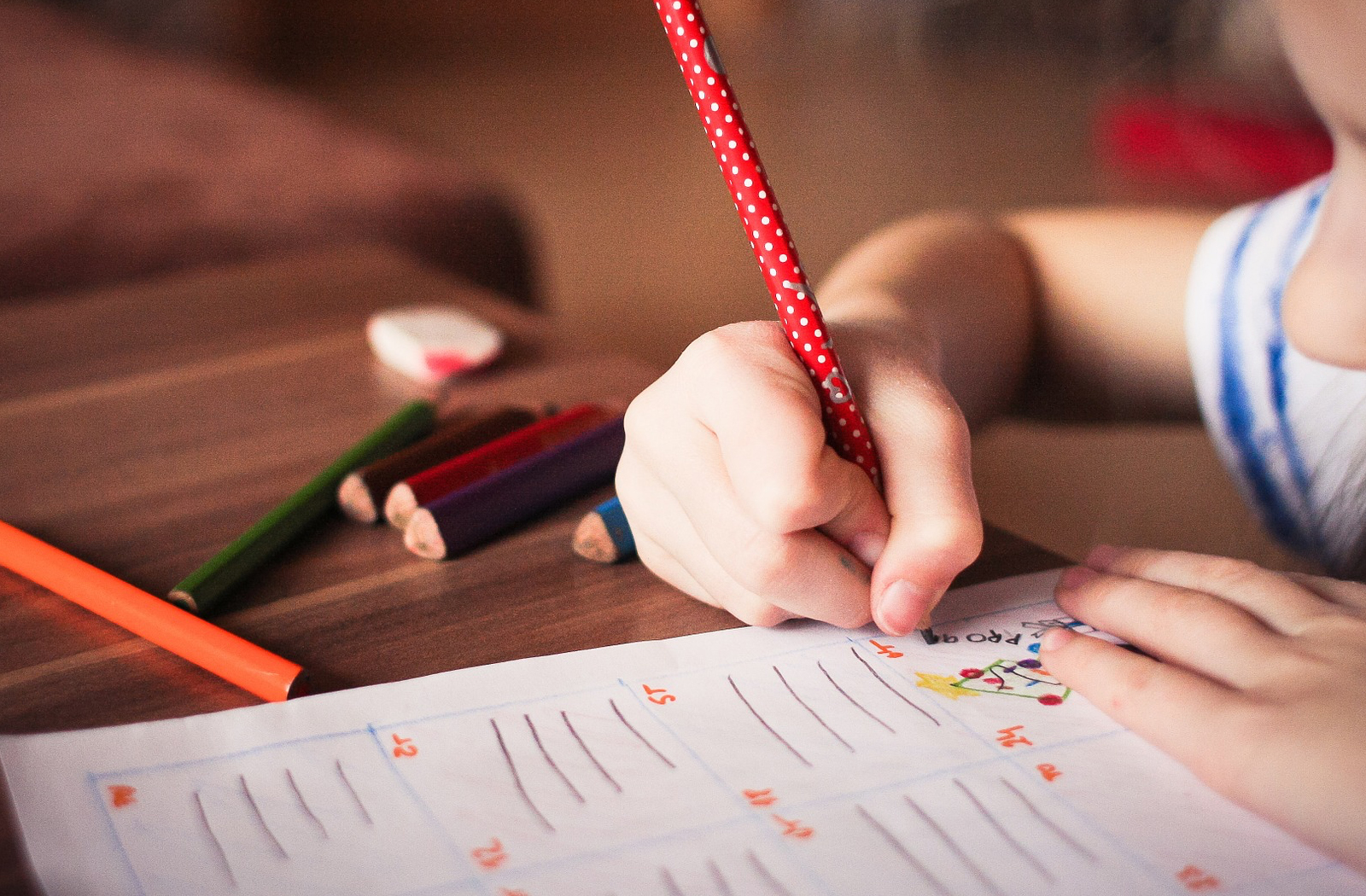
Naturally, the environment you are in plays an important role on your outcome as an individual. As an educator, the establishment of a positive classroom environment is critical to all who are a part of it. An assertive and caring teacher has the power to cultivate an environment that meets each student’s interests and developmental needs. As a prospective educator, my philosophy on classroom management takes into account the learners, their relationships, the expectations, and the physical organization of the room...
Math is about building an understanding of reasonable theories. Teaching abstract concepts by having students explore concrete manipulatives is crucial to academic success. Essentially, when students are given the opportunity to “see” math and “play” with numbers they are learning how to problem solve. Math becomes more of a natural process as students are encouraged to manipulate numbers in different ways.
Reading and language arts instruction are invigorating curricula across the country as the goal of having all students reading on grade-level by third grade takes center stage. As an educator, reading does not only refer to decoding words as you come across them in a text. Yet, reading is a skill that students acquire to their full potential when they are able to demonstrate an understanding of the relationship between letters and sounds. Furthermore, that skill is applied to how those sounds create words. These words create the story and the story creates the reader — the fluent reader who is able to look past the segmentation of syllables and begins to comprehend the vocabulary presented to them in a text.
“Don’t limit a child to your own learning, for he was born in another time.” - Rabindranath Tagore
As we progress toward a more scientifically competitive society, it is our role as educators to incorporate science, technology, engineering, and mathematics (STEM) into our curriculums. Providing students with the opportunity to explore problem solving and analysis skills in the classroom, better prepares them for a professional future filled with collaboration and reflection. STEM activities should be used in an appropriate sequence to build foundational skills as we generate critical thinkers.